

My grandmother used to say that a good Persian meal should smell like it belongs to someone. Not a recipe from a book, not something printed on a menu with a fancy name attached to it, but something a real hand made in a real kitchen. That idea is basically the whole reason Hatam exists. We have been a family owned Persian restaurant since 1993, and if you walk through our doors today, you are eating food that was shaped by three generations of the same family, not a corporate test kitchen somewhere.
If you have typed a Persian restaurant near me into your phone one more time this week, hoping to find somewhere that actually tastes like it was cooked with care, we get it. There are a lot of places out there claiming to serve Persian food. Not many of them have thirty plus years of proof behind that claim.
Where It All Began
- Founded in 1993: Hatam began as a family restaurant focused on bringing authentic Persian cuisine to the local community.
- Traditional Recipes: The menu started with a small selection of family recipes prepared with care and traditional techniques.
- A Simple Beginning: The early years involved long hours, limited resources, and a focus on getting every dish right.
- Word-of-Mouth Growth: Customers returned with family, friends, and coworkers, helping the restaurant grow naturally.
- Authentic Persian Cuisine: Hatam’s growth has been built around traditional Persian flavors rather than changing recipes to appeal to everyone.
What Does Family Owned Persian Restaurant Means Here?
A lot of restaurants slap the word family onto their sign because it sounds warm and welcoming. Fair enough, it does. But there is a difference between using the phrase and actually living it. At Hatam, being a family owned Persian restaurant since 1993 means something specific.
It means the same recipes that opened the restaurant are still the base of what we cook, even though they have been refined a little over the decades. It means family members are not just names on a business license somewhere, they are in the building, checking on the kitchen, greeting regulars, tasting the food before it goes out. It means the staff who are not of blood family get treated like they are anyway, and a good number of them have been with us for ten, fifteen, even twenty years. It means the person taking your order might actually remember what you had last time.
That kind of continuity does not happen by accident. It happens because the people running the place have never treated it like just a business.
Why Traditional Persian Food Cannot Be Rushed?
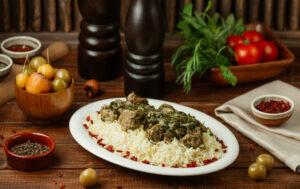
If you have ever tried to make traditional persian food at home, you already know the frustration. Persian cooking rewards patience and punishes shortcuts. Take tahdig, the crispy golden layer of rice that forms at the bottom of the pot. It sounds simple on paper. In reality, the heat has to be exactly right, the timing has to be exactly right, and if either one is off, you end up with rice that is either burnt or mushy instead of that perfect crunchy crust everyone fights over at the table.
Stews are the same story. Ghormeh sabzi needs its herbs sautéed low and slow until the whole kitchen smells green and earthy.
Fesenjan needs its walnuts and pomegranate molasses simmered for hours until the sauce turns thick, dark, and slightly sweet with just enough tang to keep it interesting. These are not dishes you can rush through on a busy Friday night without losing something important.
A Persian cuisine restaurant that has been doing this since 1993 has had three decades to get those small, easy to miss details right, the kind of details that regulars notice even if they cannot always explain why the food tastes better here.
Here is a quick look at a few of the dishes people ask about most, and what actually goes into making them properly.
| Dish | Key Ingredients | What Makes It Special |
| Tahdig | Basmati rice, saffron, butter | A crispy golden crust that only forms with careful, patient heat control |
| Ghormeh Sabzi | Fresh herbs, kidney beans, dried lime, lamb | Slow simmered for hours until the herbs and meat fully come together |
| Fesenjan | Walnuts, pomegranate molasses, chicken | A sweet and tangy sauce that takes years of practice to balance correctly |
| Kabab Koobideh | Ground beef or lamb, onion, saffron | Hand formed and grilled over open flame for that smoky, charred edge |
| Zereshk Polo | Barberries, saffron rice, sugar | Tart little berries balanced against fragrant, buttery saffron rice |
What Makes Persian Kabobs Different?
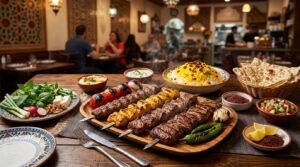
Persian kabobs are known for simple seasoning, quality ingredients, and high-heat grilling. Rather than covering the meat with heavy sauces, traditional Persian kabob preparation allows the meat, saffron, onion, and natural smoky flavor to stand out.
Some popular choices include:
| Kabob | Main Ingredient | Flavor Profile |
| Kabab Koobideh | Ground beef or lamb | Savory, juicy and smoky |
| Joojeh Kabab | Chicken | Tender, saffron-forward and mild |
| Kabab Barg | Beef | Tender, rich and lightly seasoned |
| Mixed Kabob | Combination | Good for trying multiple flavors |
For anyone looking for Persian kabob dishes Mission Viejo, a mixed kabob plate can be a practical choice because it lets you compare different preparations in one meal.
Where the Ingredients Actually Come From?
- Real saffron: Used for its authentic flavor, aroma, and color.
- Fresh herbs: Parsley, cilantro, dill, fenugreek, and mint add freshness to Persian dishes.
- Quality rice: Carefully selected rice is an important part of traditional Persian meals.
- Slow-cooked onions: Proper caramelization adds depth and richness to stews.
- Traditional preparation: Time-tested Persian home cooking methods are preserved instead of using shortcuts.
- Quality ingredients: Fresh, carefully selected ingredients help maintain authentic Persian flavor.
Celebrations, Holidays, and Everyday Regulars
- A Local Tradition: Over the years, the restaurant has become part of many customers’ personal traditions and family memories.
- Nowruz Celebrations: Persian New Year is a special time when families gather to enjoy traditional dishes and celebrate together.
- Generational Dining: Some longtime customers now return with their own children, continuing a family tradition.
- Regular Customers: Local families, office groups, and longtime guests return regularly for their favorite Persian dishes.
- A Family-Owned Legacy: Staying with one family over the years has helped preserve traditional recipes, personal connections, and a welcoming dining experience.
How to Actually Tell If a Persian Restaurant Is Worth Your Time
We get why people hesitate before picking a Persian spot. Not everyone respects the cuisine the way it deserves. Some places cut corners on ingredients, use pre-cooked rice, or rush stews that are supposed to simmer for hours. If you are searching for the best persian food near me and trying to sort the real thing from the shortcuts, a few small checks go a long way.
- Ask how long the restaurant has actually been open. Longevity usually means people keep coming back for a reason
- Look closely at the rice. Real tahdig has a visible, crackly golden crust, not a soggy bottom
- Taste the herbs in a stew. Fresh herbs taste bright and green, not flat or dusty
- Talk to the staff. If they can explain the dishes with genuine knowledge instead of a memorized script, that says a lot
- Pay attention to the feel of the place. Does it feel like a business trying to turn tables, or somewhere that actually wants you to stay a while
We are happy to answer any of these questions ourselves. After more than thirty years, we have nothing to hide about how our food gets made or where it comes from.
A Menu Built Around What People Actually Want
Our roots go back to 1993, but our persian restaurant menu has not stayed frozen in time. We still serve the dishes that built our name, but we have also added things over the years based on what regulars kept asking for. That is one advantage of running a restaurant this long. You learn exactly what your community wants, not what a trend report says they should want.
A few of the categories people order from most:
- Kebabs, grilled fresh to order, including koobideh, joojeh, and barg
- Stews, slow cooked daily, including ghormeh sabzi, fesenjan, and gheimeh
- Rice dishes, always finished with saffron and a proper tahdig
- Appetizers, from mast o khiar to kashk bademjan
- Desserts, including bastani sonnati and traditional Persian pastries
Whether you grew up eating this kind of persian home cooking at your own family’s table, or this is your first time hearing words like fesenjan and tahdig, the menu is built to feel welcoming either way.
What to Order at a Persian Restaurant for the First Time?
Trying Persian food for the first time can feel unfamiliar, especially when the menu includes dishes with names you may not recognize. A good starting point is to choose one grilled dish, one rice preparation, and a traditional appetizer.
- Kabab Koobideh: A classic Persian kabob made with seasoned ground meat and grilled over high heat.
- Joojeh Kabab: Saffron-marinated chicken with a tender texture and fragrant flavor.
- Barg: Thinly sliced, marinated beef prepared on the grill.
- Tahdig: Crispy golden rice served with many traditional Persian meals.
- Fesenjan: A rich stew combining walnuts and pomegranate for a sweet and tangy flavor.
- Mast o Khiar: A cool yogurt appetizer with cucumber and herbs.
If you are searching for Persian kabob dishes Mission Viejo diners recommend, starting with koobideh or joojeh is an easy way to experience the flavors of Persian grilling.
The Kind of Trust You Cannot Fake
Restaurants open and close constantly, especially now, when everyone is chasing whatever dish just went viral online. A restaurant does not last thirty years by following trends. It lasts by earning trust one plate, one visit, one regular at a time, and by not cutting corners even when it would be easier and cheaper to.
You can see that trust in small, ordinary moments. A regular calling ahead because they know we will remember exactly how they like their kebab. A family celebrating an engagement at the same table where the parents once celebrated their own. A server who watched a customer’s kid grow from a picky eater who only wanted rice, into an adult who now orders the same stew their grandmother used to make. None of that can be built through advertising. It only comes from actually showing up, year after year, and treating people like they matter.
Why Do Local Diners Keep Coming Back?
A restaurant becomes part of a community through consistency. Customers want to know that the food they enjoyed last month will taste just as good when they return.
At Hatam, that consistency is connected to the restaurant’s long family history.
- Traditional recipes remain central to the menu.
- Persian cooking techniques are passed down through generations.
- Popular dishes remain available for longtime customers.
- Families can introduce younger generations to Persian cuisine.
- Regular customers know what to expect when they return.
That matters when someone searches for a Persian restaurant in Mission Viejo. The choice is not only about finding a nearby place to eat. It is also about finding food, service, and an atmosphere they will want to experience again.
Come Sit Down With Us
If you are still searching for a Persian restaurant near me that offers more than a quick meal, we would genuinely love to welcome you. Since 1993, Hatam has focused on serving traditional Persian food with the care, recipes, and hospitality that have made the restaurant part of the local community.
Come try the tahdig for its crispy golden texture, order a fesenjan if you enjoy sweet and tangy flavors, or choose one of our grilled Persian kabobs for a classic introduction to the cuisine. If you are visiting for the first time, our team is always happy to help you choose something based on what you enjoy.
Whether this is your first visit or your hundredth, our goal is simple: serve flavorful food, make you feel welcome, and give you a dining experience that feels personal. For anyone looking for authentic Persian cuisine in Mission Viejo, Hatam is proud to continue sharing the flavors and traditions that have been part of our family for more than three decades.
Frequently Asked Questions
What makes Hatam a family-owned Persian restaurant since 1993?
Summary: Hatam has been operated by the same family since it opened in 1993.
Full answer: Hatam has been run by the same family since it opened in 1993. The founders remain connected to the restaurant’s daily operations, and the recipes used today are the same ones that helped establish its original reputation.
What dishes should I try first at an authentic Persian restaurant?
Summary: First-time guests can try tahdig, a traditional stew, and a classic Persian kabob.
Full answer: Start with tahdig for its crispy rice, a stew such as ghormeh sabzi or fesenjan for an introduction to rich Persian flavors, and a kabob such as koobideh for a classic taste of Persian grilling.
How do I know if a Persian restaurant near me is actually authentic?
Summary: Consider the restaurant’s history, rice preparation, staff knowledge, and consistency.
Full answer: Check how long the restaurant has been operating, ask about its rice preparation, and see whether the staff can speak knowledgeably about the dishes. Authenticity is often reflected in consistent cooking, service, and recipes over time.
Is Persian food spicy?
Summary: Persian food is generally aromatic and flavorful rather than hot or spicy.
Full answer: Persian food is generally not spicy. It emphasizes herbs, saffron, dried fruits, aromatic seasonings, and slow-cooked flavors rather than intense heat.
What is tahdig and why is it special?
Summary: Tahdig is the crispy, golden layer of rice formed at the bottom of the cooking pot.
Full answer: Tahdig is the crispy, golden layer of rice that forms at the bottom of the pot during cooking. It requires careful heat control and precise timing, which is why it is considered a mark of skill in Persian cooking.
Does Hatam offer vegetarian options?
Summary: Hatam offers several vegetarian-friendly appetizers and rice dishes.
Full answer: Yes. Several dishes, such as mast-o-khiar, kashk-e bademjan, and certain rice dishes, may be suitable for vegetarian guests or prepared without meat. Guests should confirm current ingredients and preparation options when ordering.
What is the difference between Persian and Iranian food?
Summary: Persian food and Iranian food generally refer to the same cuisine.
Full answer: Persian food and Iranian food generally refer to the same cuisine. “Persian” is the term commonly used internationally and culturally, while “Iranian” refers to the cuisine’s country of origin.
Does Hatam take reservations for larger family gatherings?
Summary: Hatam welcomes reservations for family celebrations, birthdays, and other gatherings.
Full answer: Yes. Hatam welcomes reservations for family celebrations, birthdays, and other gatherings. Booking ahead is recommended, especially for weekends and holidays.