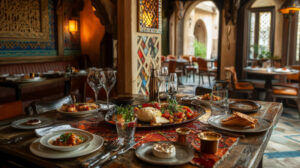

Persian cuisine is famous for its fragrant rice, grilled kebabs, and flavorful stews, but its desserts deserve just as much attention. From saffron-infused puddings to nut-filled pastries, traditional Iranian sweets bring together unique flavors, textures, and recipes passed down through generations.
If you enjoy discovering new cuisines, traditional Persian desserts to try is a delicious way to explore Iranian food culture. Many of these sweets are served during celebrations, family gatherings, religious occasions, and everyday visits with friends.
What Makes Traditional Persian Desserts Unique?
Persian desserts stand out for their aromatic ingredients, delicate flavors, and variety of textures. Rather than relying only on sugar, many recipes use ingredients that add fragrance, richness, and character.
Common ingredients found in Persian sweets include:
- Saffron: Adds a golden color and distinctive aroma.
- Rose water: Gives desserts a delicate floral fragrance.
- Cardamom: Brings a warm, slightly sweet flavor.
- Pistachios and almonds: Add crunch and richness.
- Dates and walnuts: Provide sweetness and texture.
- Rice and rice flour: Form the base of puddings and traditional cookies.
- Sugar syrup: Gives many pastries their sweet, glossy finish.
These ingredients appear in different combinations, making each dessert unique. Regional traditions and family recipes also influence how Persian sweets are prepared.
12 Traditional Persian Desserts to Try
Iranian sweets range from creamy puddings and refreshing frozen treats to crisp pastries and nut-based confections. Each dessert offers a different way to experience the country’s culinary heritage.
1. Sholeh Zard: Persian Saffron Rice Pudding
Sholeh zard is a traditional Iranian rice pudding known for its bright golden color and fragrant flavor. Made with rice, sugar, saffron, and rose water, it is often decorated with cinnamon and slivered nuts.
What makes sholeh zard special?
- Saffron flavor: Gives the pudding its distinctive aroma and color.
- Rose water: Adds a gentle floral note.
- Traditional decoration: Cinnamon and pistachios create an attractive finish.
- Cultural significance: It is often prepared for religious occasions and community gatherings.
Unlike many milk-based rice puddings, traditional sholeh zard is generally cooked with water. The result is a smooth, thick dessert in which saffron and rose water take center stage.
2. Zoolbia and Bamieh: Syrupy Persian Pastries
Zoolbia and bamieh are popular Iranian sweets, particularly during Ramadan. Both are fried and soaked in sugar syrup, although their shapes and textures differ.
- Zoolbia: Made into thin, intricate shapes with a crisp texture.
- Bamieh: Small, ridged pastries with a soft center.
- Flavor: Sweet syrup gives both pastries their characteristic taste.
- Serving suggestion: Enjoy them in small portions with Persian tea.
These pastries are widely available in Iranian sweet shops during festive periods. Their rich sweetness makes them ideal for sharing rather than eating in large quantities.
3. Bastani Sonnati: Traditional Persian Ice Cream
Bastani sonnati is a traditional Iranian ice cream flavored with saffron and rose water, often containing pieces of pistachio. Some versions also include small pieces of frozen cream for an interesting texture.
Why should you try it?
- Saffron gives it a distinctive golden appearance.
- Rose water adds a fragrant, floral flavor.
- Pistachios provide a pleasant crunch.
- It can be served in a bowl or between thin wafers.
Bastani sonnati is especially enjoyable during warmer weather. Its combination of creamy texture and aromatic ingredients makes it different from ordinary vanilla ice cream.
4. Faloodeh: A Refreshing Persian Frozen Dessert
Faloodeh is a chilled Iranian dessert made with fine starch noodles in a lightly sweetened liquid, traditionally flavored with rose water. Lime juice is often added to balance the sweetness.
Its icy texture and delicate flavor make it particularly refreshing on a warm day.
- Texture: Fine, delicate strands with an icy consistency.
- Flavor: Lightly sweet with floral and citrus notes.
- Regional association: Shiraz is especially famous for its faloodeh.
- Popular pairing: It is sometimes served with bastani sonnati.
Faloodeh is a good choice for people who prefer a refreshing dessert over a rich, cream-based sweet.
5. Ranginak: A Traditional Date and Walnut Dessert
Ranginak is a traditional dessert associated with southern Iran, where dates are widely used in cooking. It typically combines dates and walnuts with a cooked flour mixture, often flavored with cinnamon or cardamom.
What makes ranginak worth trying?
- Dates provide a naturally sweet flavor.
- Walnuts add richness and crunch.
- Warm spices create a comforting aroma.
- Its soft texture makes it easy to serve in small portions.
Ranginak is often enjoyed with unsweetened tea, which balances its richness. If you like desserts made with dried fruit and nuts, this traditional Iranian sweet is worth exploring.
6. Sohan: Crisp Persian Saffron Brittle
Sohan is a traditional Iranian confection particularly associated with Qom. It is generally prepared with ingredients such as sugar, butter or ghee, saffron, and nuts, then cooked until it develops a crisp texture.
- Saffron: Adds aroma and a distinctive golden color.
- Butter or ghee: Contributes richness.
- Pistachios and almonds: Add crunch and flavor.
- Texture: Thin, crisp pieces that break easily.
Sohan is commonly sold in decorative boxes and offered as a gift during visits and celebrations. It pairs particularly well with Persian tea and is best enjoyed in small pieces.
7. Gaz: Iran’s Famous Nutty Nougat
Gaz is a traditional Iranian confection strongly associated with Isfahan. It resembles nougat and is commonly made with sweeteners, egg whites, and nuts such as pistachios or almonds.
Its texture can range from soft and chewy to slightly firmer, depending on the recipe.
Why is gaz so popular?
- Its chewy texture makes it different from crisp pastries.
- Pistachios and almonds add a nutty flavor.
- It is often sold in attractive gift boxes.
- Small pieces are easy to share with guests.
Gaz is a wonderful option for anyone who enjoys nut-based sweets and wants to explore a well-known Iranian confection.
8. Nan-e Berenji: Persian Rice Cookies
Nan-e berenji is a traditional Iranian cookie commonly associated with Kermanshah. Rice flour gives these cookies their delicate, crumbly texture, while rose water adds a light fragrance.
These cookies are generally less syrupy than many other Persian desserts, making them suitable for people who prefer a milder sweetness.
- Main ingredient: Rice flour.
- Flavor: Subtle sweetness with a delicate aroma.
- Texture: Light and crumbly.
- Serving idea: Enjoy with Persian tea or coffee.
Some versions are decorated with poppy seeds. Recipes vary between families, but the delicate texture remains one of the cookie’s defining characteristics.
9. Qottab: Persian Nut-Filled Pastries
Qottab is a traditional Iranian pastry associated with Yazd. It typically contains a filling of ground nuts, sugar, and aromatic spices wrapped in pastry, which is fried and coated with powdered sugar.
What makes qottab distinctive?
- A crisp pastry exterior.
- A sweet filling made with almonds or other nuts.
- Cardamom or similar spices for extra fragrance.
- A convenient size for serving with tea.
Qottab is commonly enjoyed during family visits and celebrations. Its combination of crunchy pastry and nutty filling makes it a favorite among people who enjoy traditional baked or fried sweets.
10. Halva: A Rich Iranian Sweet
Persian halva is often prepared by cooking flour in oil or butter and combining it with a sweet syrup flavored with ingredients such as saffron, rose water, or cardamom. The finished dessert has a soft, dense texture.
- Flavor: Rich, sweet, and aromatic.
- Texture: Smooth and dense.
- Decoration: Often finished with pistachios, almonds, or cinnamon.
- Occasions: Commonly served at religious gatherings and community events.
Persian halva differs from the sesame-based halva found in some other cuisines. Its flour-based preparation gives it a distinctive texture and flavor.
11. Shirini-e Nargili: Persian Coconut Cookies
Shirini-e nargili is a coconut-based Iranian sweet commonly found in pastry shops. Recipes often use coconut, sugar, and egg whites to create cookies with a lightly crisp exterior and a softer center.
These cookies offer a familiar coconut flavor with a traditional Persian touch.
- Main ingredient: Coconut.
- Texture: Lightly crisp outside and softer inside.
- Flavor: Sweet, rich, and coconut-forward.
- Serving suggestion: Add them to a platter of Persian cookies and pastries.
They are a good choice if you enjoy coconut desserts but want to try something beyond standard bakery cookies.
12. Persian Baklava: Layers of Nuts and Sweet Syrup
Persian baklava is a traditional pastry with regional variations, including well-known versions associated with Yazd and Qazvin. It generally consists of pastry layered or filled with ground nuts, baked, and finished with syrup.
What should you expect?
- Thin pastry layers with a delicate crunch.
- A filling made with nuts such as pistachios or almonds.
- Sweet syrup that adds moisture and flavor.
- Aromatic ingredients such as cardamom, rose water, or saffron in some recipes.
Persian baklava is commonly served during celebrations and family gatherings. Its rich flavor makes a small piece a satisfying finish to a meal.
How to Enjoy Traditional Persian Desserts
The best way to explore Persian sweets is to try different textures and flavor combinations. A selection of small desserts can also be a great way to introduce friends and family to Iranian cuisine.
Here are a few simple ways to enjoy them:
- With Persian tea: Pair gaz, sohan, qottab, or rice cookies with a warm cup of tea.
- After a meal: Serve sholeh zard or a small piece of baklava.
- On a warm afternoon: Choose faloodeh or bastani sonnati.
- For family gatherings: Arrange different cookies, pastries, and confections on a shared platter.
- As a gift: Consider boxed sweets such as gaz or sohan.
If you have food allergies or dietary restrictions, check the ingredients before ordering. Some Persian desserts contain nuts, eggs, dairy, or gluten.
Can You Make Persian Desserts at Home?
Many traditional Iranian desserts can be prepared at home with a few basic ingredients. Starting with a simple recipe is a practical way to learn how Persian flavors work together.
If you want to explore Persian dessert recipes, consider these beginner-friendly options:
- Sholeh zard: A good choice if you enjoy rice pudding and aromatic flavors.
- Ranginak: An option for people who like dates, walnuts, and warm spices.
- Persian halva: A traditional sweet that requires careful attention to the flour mixture and syrup.
- Nan-e berenji: Worth trying if you enjoy baking and want to work with rice flour.
For better results, measure ingredients carefully and follow the cooking instructions closely. Rose water can quickly overpower a recipe if too much is added, while saffron should be prepared according to the recipe to bring out its aroma.
Family recipes can differ considerably, so trying different versions is part of the experience.
Discover Persian Sweets With MyHatam
Persian desserts offer a wonderful introduction to Iranian food culture, from the fragrant sweetness of sholeh zard to the nutty crunch of sohan and the refreshing texture of faloodeh.
At MyHatam, exploring Persian cuisine is an opportunity to discover the dishes and traditions that make Iranian food special.
Whether you already enjoy Iranian food or are trying it for the first time, traditional sweets are a delicious way to experience another side of Persian culinary heritage.
Final Thoughts
Traditional Persian desserts reflect regional ingredients, family traditions, celebrations, and the care that goes into preparing food for guests. Each sweet offers something different, from creamy puddings and chilled desserts to crisp pastries and nut-filled confections.
Start with sholeh zard, try faloodeh on a warm day, or enjoy gaz with a cup of tea. Exploring these traditional Iranian desserts is a simple and enjoyable way to discover the variety of Persian cuisine.
Frequently Asked Questions
What are the most popular traditional Persian desserts?
Summary: Popular Persian desserts include sholeh zard, zoolbia and bamieh, bastani sonnati, faloodeh, ranginak, sohan, gaz, nan-e berenji, and qottab.
Full answer: Popular traditional Persian desserts include sholeh zard, zoolbia and bamieh, bastani sonnati, faloodeh, ranginak, sohan, gaz, nan-e berenji, and qottab. Each has its own ingredients, texture, and regional history.
What ingredients are commonly used in Persian desserts?
Summary: Common ingredients include saffron, rose water, cardamom, nuts, rice, dates, and sugar syrup.
Full answer: Persian desserts often use saffron, rose water, cardamom, pistachios, almonds, walnuts, rice, dates, and sugar syrup. The ingredients vary depending on whether the dessert is a pudding, pastry, cookie, or confection.
What is a traditional Iranian dessert made with rice?
Summary: Sholeh zard is a traditional Iranian rice pudding flavored with saffron and rose water.
Full answer: Sholeh zard is a traditional Iranian rice pudding prepared with rice, sugar, saffron, and rose water. It is usually decorated with cinnamon and slivered nuts and served chilled or at room temperature.
Which Persian desserts are popular during Ramadan?
Summary: Zoolbia and bamieh are especially popular during Ramadan in Iran.
Full answer: Zoolbia and bamieh are especially popular during Ramadan in Iran. These fried pastries are soaked in sugar syrup and commonly enjoyed during evening meals and gatherings.
What is the difference between faloodeh and Persian ice cream?
Summary: Faloodeh is made with fine starch noodles, while bastani sonnati is a saffron and rose-water ice cream.
Full answer: Faloodeh is a chilled dessert made with fine starch noodles and a sweetened liquid, often flavored with rose water. Bastani sonnati is traditional Persian ice cream flavored with saffron and rose water, often with pistachios.
Are traditional Persian desserts very sweet?
Summary: Some Persian desserts are very sweet, while cookies and certain nut-based sweets can have a milder sweetness.
Full answer: Some Persian desserts, such as zoolbia, bamieh, and syrup-soaked pastries, are quite sweet. Others, including nan-e berenji and certain nut-based sweets, may have a milder sweetness.
Can I make Persian desserts at home?
Summary: Yes. Sholeh zard, ranginak, halva, and Persian cookies can all be prepared at home.
Full answer: Yes. Desserts such as sholeh zard, ranginak, halva, and Persian cookies can be prepared at home. Following a reliable recipe and measuring aromatic ingredients carefully can help you achieve the right flavor and texture.
What should I serve with Persian desserts?
Summary: Persian tea is traditionally served with sweets, while faloodeh can be enjoyed alone or with Persian ice cream.
Full answer: Persian tea is a traditional accompaniment to sweets such as gaz, sohan, qottab, and rice cookies. Chilled desserts such as faloodeh can be enjoyed on their own or paired with Persian ice cream.